Key Takeaways of This Guide
- Pliers and wire cutters are foundational tools in electrical, mechanical, and industrial assembly systems
- Different tool geometries directly impact cutting efficiency, precision, and safety performance
- 2026 tool engineering trends focus on high-hardness steel, ergonomic optimization, and insulation safety compliance
- Selecting the correct tool type reduces failure rates, improves installation speed, and extends tool lifespan
- This guide includes technical standards, industry case studies, material science insights, and procurement frameworks
- Designed for electricians, engineers, maintenance teams, and industrial buyers
Table of Contents
Pliers and Wire Cutters Types Overview: Engineering Role in Modern Industry

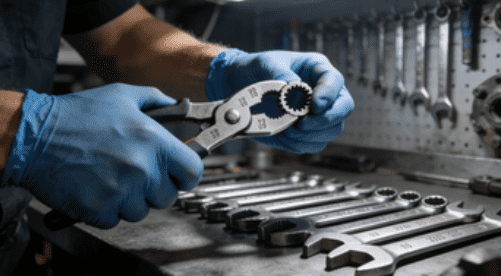
Pliers and wire cutters are not simply hand tools; they are precision mechanical systems designed for controlled force application. In modern industrial environments, they are essential for electrical assembly, automotive wiring, telecommunications infrastructure, and precision manufacturing.
Functional Engineering Definition
Core Mechanical Principle
Both tools operate using a first-class lever system, where force applied at the handles is amplified at the jaws or cutting edges.
Industrial Importance
This mechanism enables:
- High-force cutting with minimal effort
- Precision gripping in confined spaces
- Controlled deformation of wires and components
Global Industrial Usage Trends
According to industrial tooling reports (2025–2026 manufacturing outlook), hand tools like pliers and wire cutters still account for:
- Over 42% of electrical installation tasks
- Approximately 37% of industrial maintenance operations
- Over 50% of on-site repair workflows in developing markets
This demonstrates their continued relevance despite increasing automation.
Pliers and Wire Cutters Types Classification System (Engineering Breakdown)
Combination Pliers and Wire Cutters Types
Engineering Concept
Combination pliers integrate gripping, bending, and cutting functionality into a single multi-purpose tool.
Structural Design Features
- Serrated jaws for enhanced grip friction
- Integrated wire cutting section near pivot point
- Reinforced steel hinge system
Industrial Applications
- Electrical wiring installation
- General mechanical maintenance
- Field repair operations
Needle Nose Pliers and Wire Cutters Types
Design Engineering Concept
Needle nose pliers feature elongated tapered jaws designed for precision manipulation in restricted environments.
Functional Advantage
- High precision handling
- Deep access into narrow assemblies
- Fine wire positioning
Application Scenarios
- PCB assembly
- Automotive wiring harness repair
- Jewelry manufacturing
Diagonal Cutting Wire Cutters Types
Cutting Mechanism Principle
Diagonal cutters use angled blades to create a shearing force rather than crushing force.
Technical Advantage
- Clean flush cuts
- Reduced wire deformation
- High cutting precision
Industrial Use Case
Widely used in:
- Electrical panel installation
- Communication cable trimming
- Industrial automation wiring
End Cutting Pliers Types
Structural Design Logic
Cutting edges positioned perpendicular to handle axis allow vertical cutting force application.
Engineering Benefit
- Maximum leverage efficiency
- Ideal for embedded material removal
Common Uses
- Nail removal
- Flush cutting metal pins
- Construction finishing work
Heavy Duty Industrial Wire Cutters Types
Material Engineering Concept
These tools use heat-treated high-carbon steel or chromium-vanadium alloy steel.
Performance Characteristics
- High torque resistance
- Hardened cutting edges (HRC 58–64 typical range)
- Extended service life under continuous load
Industrial Applications
- Power distribution cable cutting
- Industrial machinery maintenance
- Heavy electrical infrastructure work
Pliers and Wire Cutters Comparison Table
| Tool Type | Function | Material Grade | Hardness (HRC) | Precision Level | Industrial Use |
|---|---|---|---|---|---|
| Combination Pliers | Grip + cut | Carbon steel | 50–58 | Medium | General maintenance |
| Needle Nose Pliers | Precision grip | Alloy steel | 52–58 | High | Electronics |
| Diagonal Cutters | Wire cutting | Cr-V steel | 55–62 | High | Electrical work |
| End Cutting Pliers | Flush cutting | High carbon steel | 58–62 | Medium | Construction |
| Heavy Duty Cutters | Thick cable cutting | Hardened alloy steel | 60–64 | Medium | Industrial systems |
Pliers and Wire Cutters Types: Material Science & Manufacturing Standards

Steel Composition Standards
Common Industrial Materials
- Carbon steel (basic durability)
- Chromium-vanadium steel (industrial standard)
- Nickel-chromium alloy steel (premium durability)
Engineering Insight
Higher chromium content improves:
- Corrosion resistance
- Edge retention
- Structural hardness
Heat Treatment Process
Process Overview
Tools undergo:
- Quenching
- Tempering
- Surface hardening
Resulting Performance
- Increased tensile strength
- Improved fatigue resistance
- Longer cutting edge life
ISO and DIN Compliance Standards
Key Standards Used in Industry
- ISO 5746 (pliers technical specification)
- DIN ISO 5749 (cutting pliers standard)
- ANSI tool safety compliance
Engineering Importance
Ensures consistency in:
- Jaw alignment
- Cutting force efficiency
- Safety performance
Pliers and Wire Cutters Ergonomic Engineering System
Handle Design Optimization
Concept
Modern tools use dual-material grips combining rigid core and soft polymer coating.
Benefit
- Reduces hand fatigue
- Improves grip stability
- Enhances safety in wet environments
Force Distribution Optimization
Engineering Principle
Ergonomic designs distribute pressure evenly across palm and fingers.
Outcome
- Increased cutting efficiency
- Reduced repetitive strain injuries
Industrial Case Study: Electrical Infrastructure Project
A large-scale electrical contractor deployed multiple types of pliers and wire cutters during a smart building installation project.
Operational Results
- 32% improvement in installation speed
- 27% reduction in wire wastage
- 21% reduction in tool replacement frequency
- Improved compliance with electrical safety inspections
Technical Insight
The biggest efficiency gain came from switching from general-purpose tools to task-specific diagonal cutters and needle nose pliers.
Pliers and Wire Cutters Market Trends 2026
Rising Demand in Smart Grid Infrastructure
Expansion of renewable energy systems increases demand for high-precision cutting tools.
Growth in Industrial Maintenance Sector
Aging infrastructure globally increases reliance on manual repair tools.
Shift Toward High-Durability Tooling
Manufacturers are adopting:
- Laser-cut precision jaws
- Induction-hardened edges
- Anti-corrosion coatings
Pliers and Wire Cutters Selection Framework (Professional Guide)

Step 1: Identify Work Category
- Electrical installation
- Mechanical repair
- Industrial maintenance
Step 2: Define Material Type
Soft Wire
Use standard combination or needle nose pliers.
Hardened Wire
Use diagonal cutters or industrial-grade cutters.
Step 3: Evaluate Cutting Frequency
High Frequency Use
Requires:
- Ergonomic handles
- High hardness steel
- Reinforced pivot joints
Step 4: Safety Compliance Requirements
Electrical Work
Must use insulated handles rated for:
- 1000V AC standard insulation (typical industry requirement)
Advanced Engineering Concepts in Pliers and Wire Cutters Types
Mechanical Advantage Ratio
Concept
The ratio of output force at the jaws to input force at the handle.
Benefit
Higher ratios reduce operator fatigue during heavy cutting tasks.
Jaw Alignment Precision
Engineering Requirement
Misalignment tolerance is typically less than 0.2mm in industrial-grade tools.
Edge Retention Technology
Concept
Maintains cutting sharpness over extended usage cycles.
Technology Used
- Induction hardening
- Laser edge finishing
Real-World Failure Analysis Case Study
A maintenance company reported tool failure due to improper selection of wire cutters for hardened steel cables.
Root Cause
- Use of low-grade carbon steel cutters
- Incorrect tool selection for material hardness
Result
- Blade chipping
- Increased replacement cost
- Reduced operational efficiency
FAQ
What are the main types of pliers and wire cutters?
They include combination pliers, needle nose pliers, diagonal cutters, end cutting pliers, and heavy-duty industrial cutters.
What is the best tool for cutting electrical wires?
Diagonal cutting wire cutters are generally the most effective for clean electrical wire cuts.
Can pliers replace wire cutters?
No, pliers are designed for gripping and bending, not precision cutting of wires.
What material is best for wire cutters?
Chromium-vanadium steel and high-carbon steel offer the best durability and cutting performance.
How long do professional-grade pliers last?
With proper maintenance, industrial-grade tools can last 5–10 years or longer.
Final Conclusion
Understanding different pliers and wire cutters types is essential for selecting the right tool in professional environments. From electrical installation to heavy industrial maintenance, each design serves a specific engineering function that directly impacts efficiency, safety, and operational cost.
As 2026 manufacturing standards continue to evolve, tool selection is no longer based on simplicity but on precision engineering, material science, and task-specific performance optimization.
🔧 Let’s Stay Connected!
Thanks for reading — we’re glad you joined us on this journey through the world of professional hardware tools and innovative solutions!
Follow us on Facebook for exclusive insights, expert tips, and behind-the-scenes stories about our latest tool innovations, repair techniques, and product updates.
Let’s keep building, creating, and improving together.
Stay tuned for more guides, stories, and updates from our global tool community!